



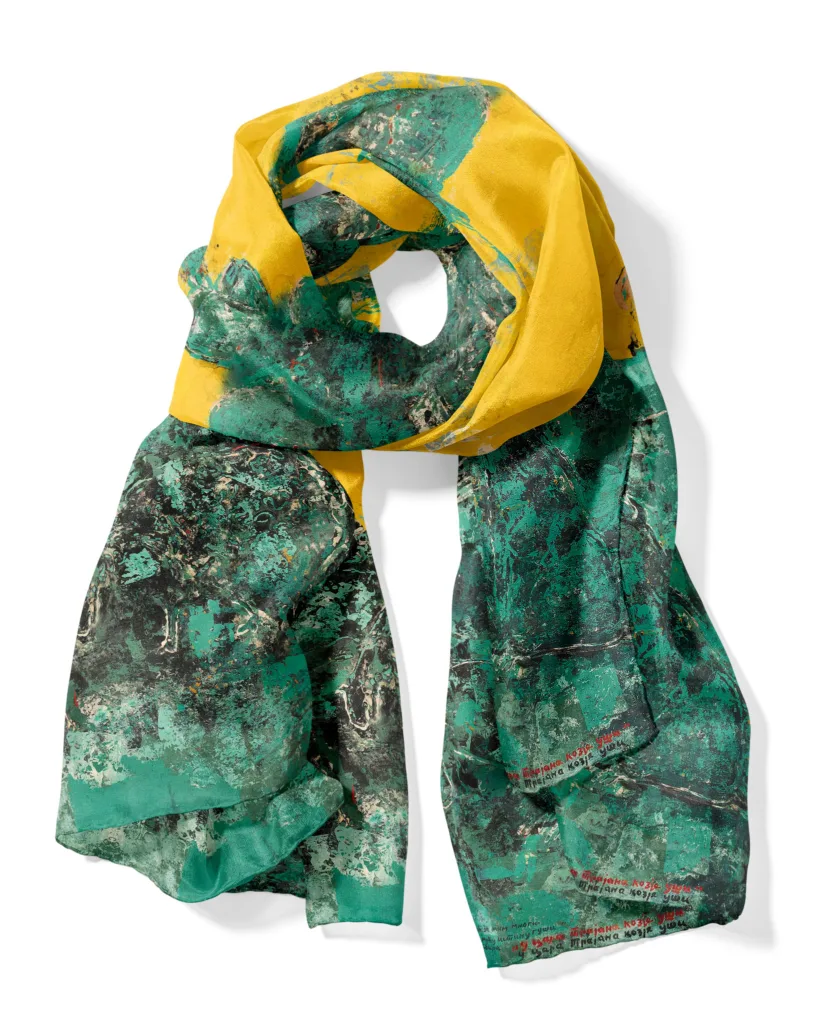
Emperor Trajan

A clear stance, wisdom and inner assurance give the look dignity and a confidence that does not depend on the opinions of others.

7.900 rsd VAT included

In stock - delivery in 1-3 working days

  • Premium packaging
  • Free delivery
  • Returns within 14 days
SKU
DE-2006
Product code
STS8, STS1, STS2
Composition
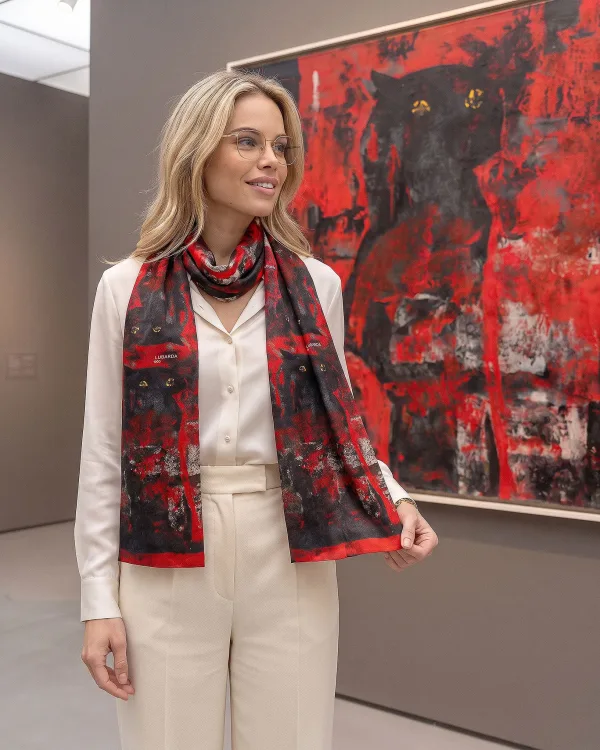
100% silk
Technique
Print
Colour
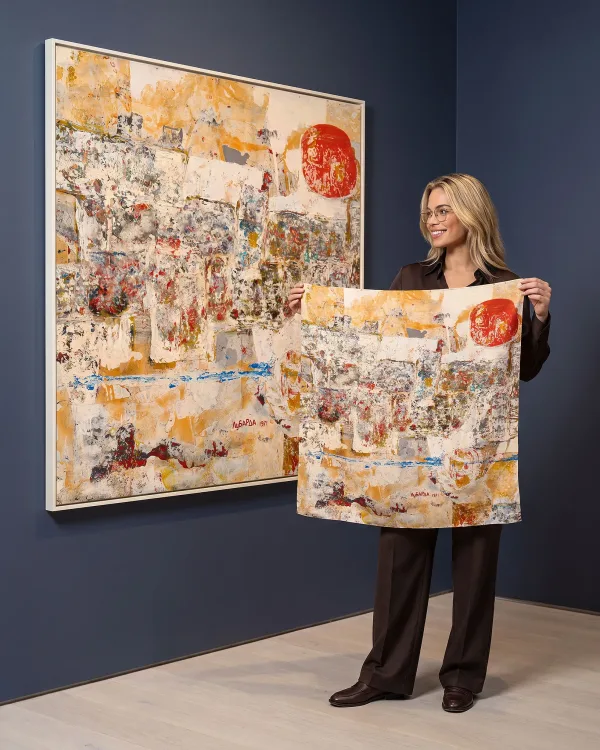
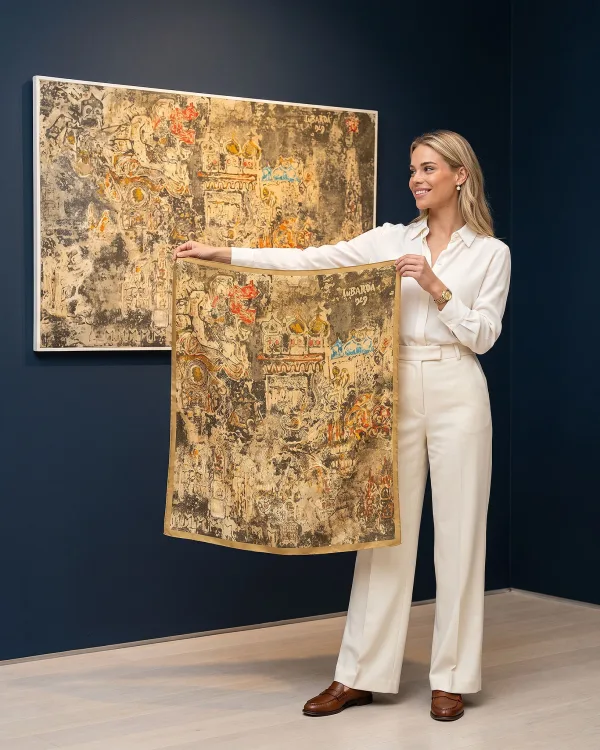
Yellow

The products are made from natural materials and can be worn for a long time without frequent cleaning. Care is by professional dry cleaning only. Do not wash the products by hand or in a washing machine. Avoid direct contact with perfume and other chemical products.

A true corporate gift leaves a lasting impression and conveys the values of the company it represents. This piece is designed as a gift to be remembered, worn and kept.

It comes in exclusive packaging, with the option of personalising the product, branding the packaging, adding a dedication or a message card, and individual arrangements for larger quantities and delivery dates.

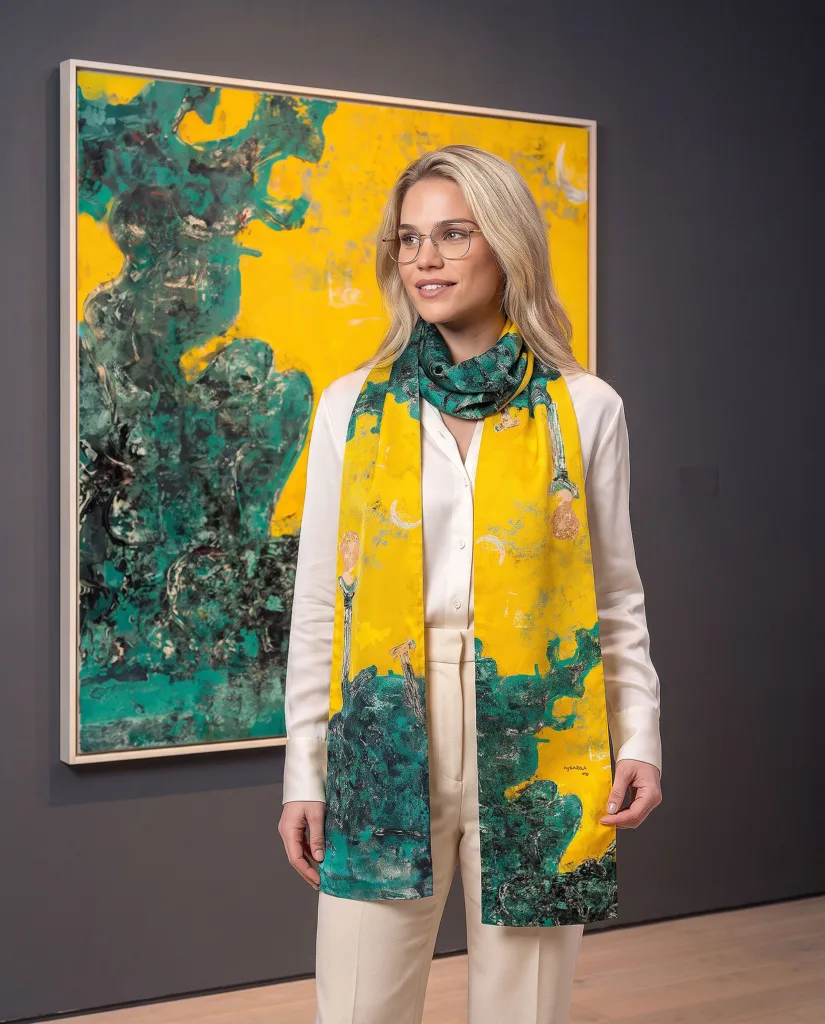
Seeing art as a way to express a polarised social reality and personal freedom, Petar Lubarda painted Emperor Trajan (From Old Legends) in 1972. Created in dialogue with poetry, the painting is what the artist himself called “a painting that is read”. The theme of Emperor Trojan, inspired by a folk tale, carries a moralising message. The composition is reduced in order to emphasise the figure of the flute player and the ancient column with the bust of Emperor Trajan, towards whom the flute player is turned. The significance of the work's message is heightened by the monumental size of the hardboard panel and the use of three vibrant colours: green, yellow and white. The painting mirrors a particular historical and social moment, serving as both its record and a commentary on it.

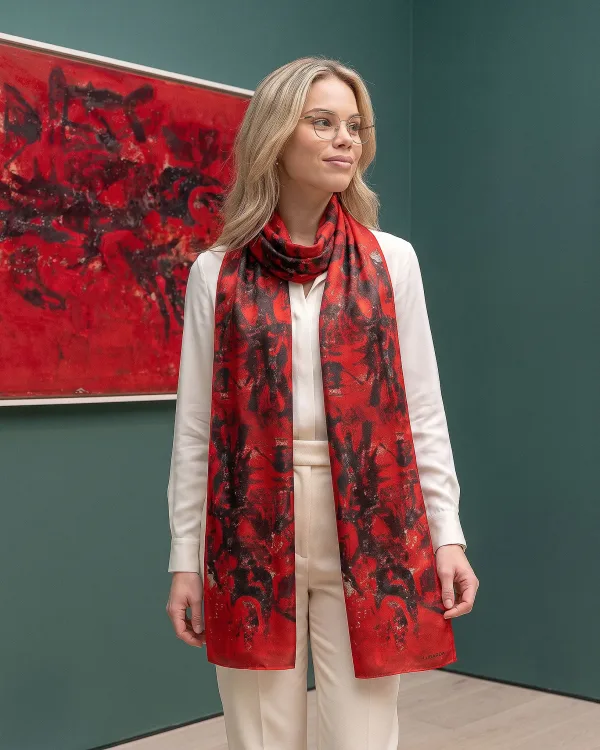
Car Trajan

Emperor Trajan

Seeing art as a way to express a polarised social reality and personal freedom, Petar Lubarda painted Emperor Trajan (From Old Legends) in 1972. Created in dialogue with poetry, the painting is what the artist himself called “a painting that is read”. The theme of Emperor Trojan, inspired by a folk tale, carries a moralising message. The composition is reduced in order to emphasise the figure of the flute player and the ancient column with the bust of Emperor Trajan, towards whom the flute player is turned. The significance of the work's message is heightened by the monumental size of the hardboard panel and the use of three vibrant colours: green, yellow and white. The painting mirrors a particular historical and social moment, serving as both its record and a commentary on it.