


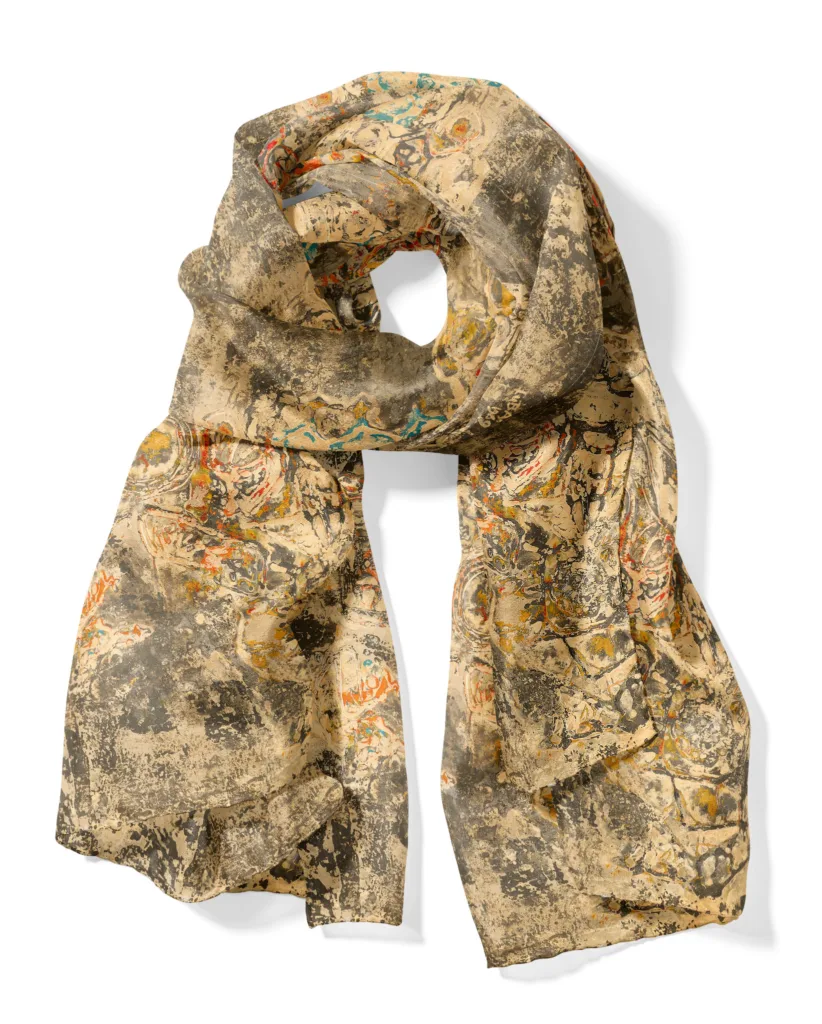
A Fairy Tale of the Moscow Kremlin

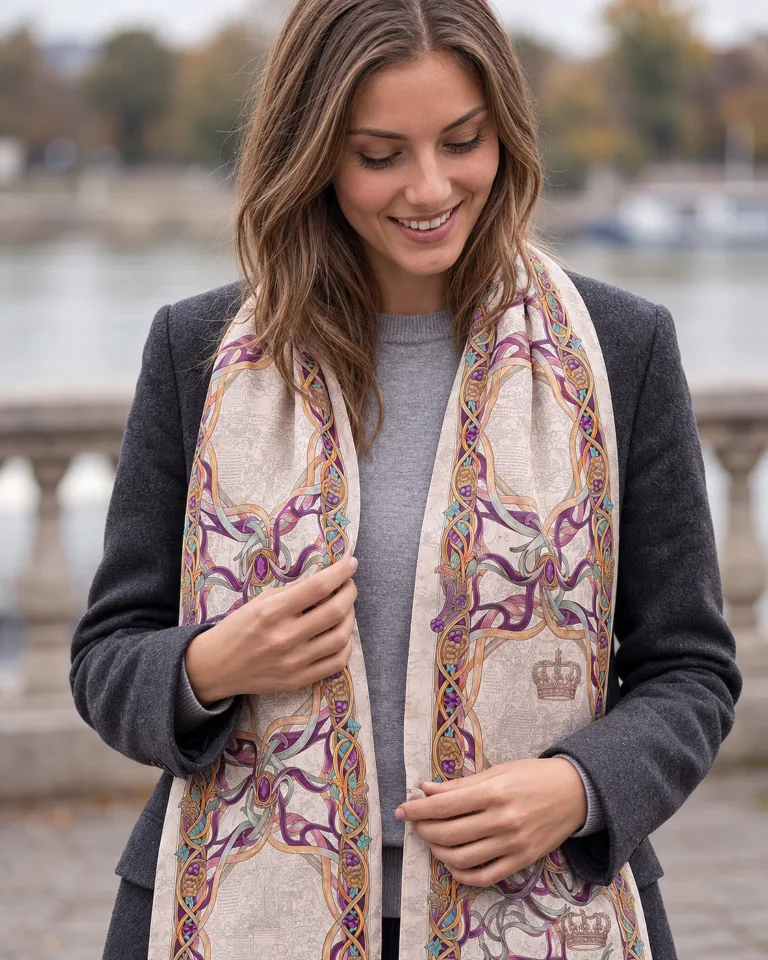
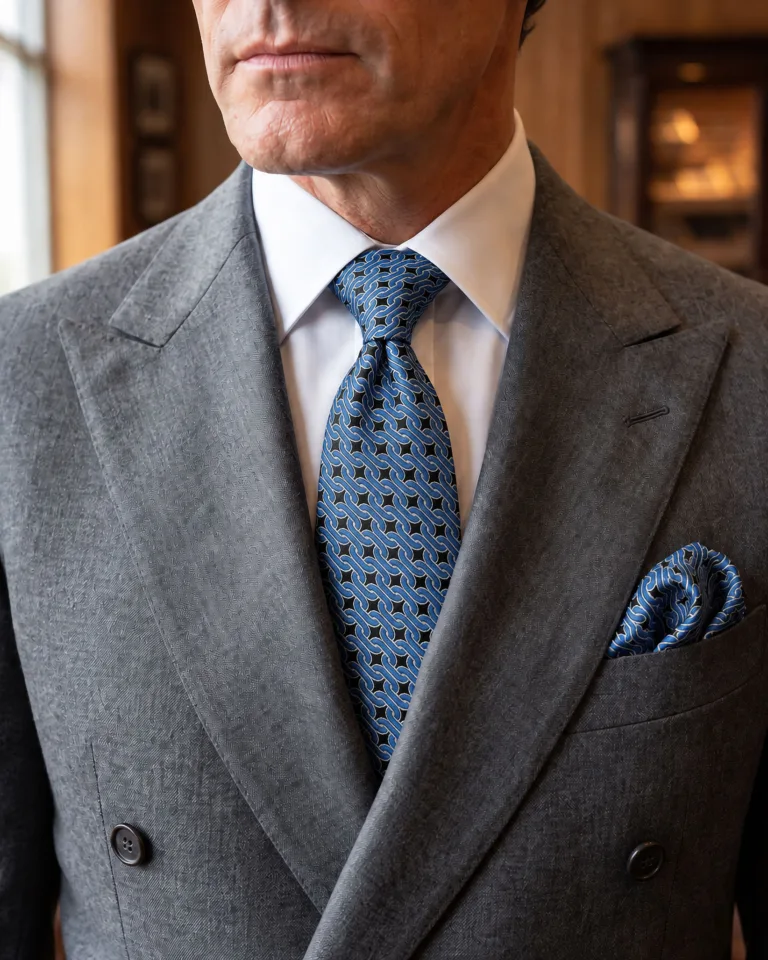
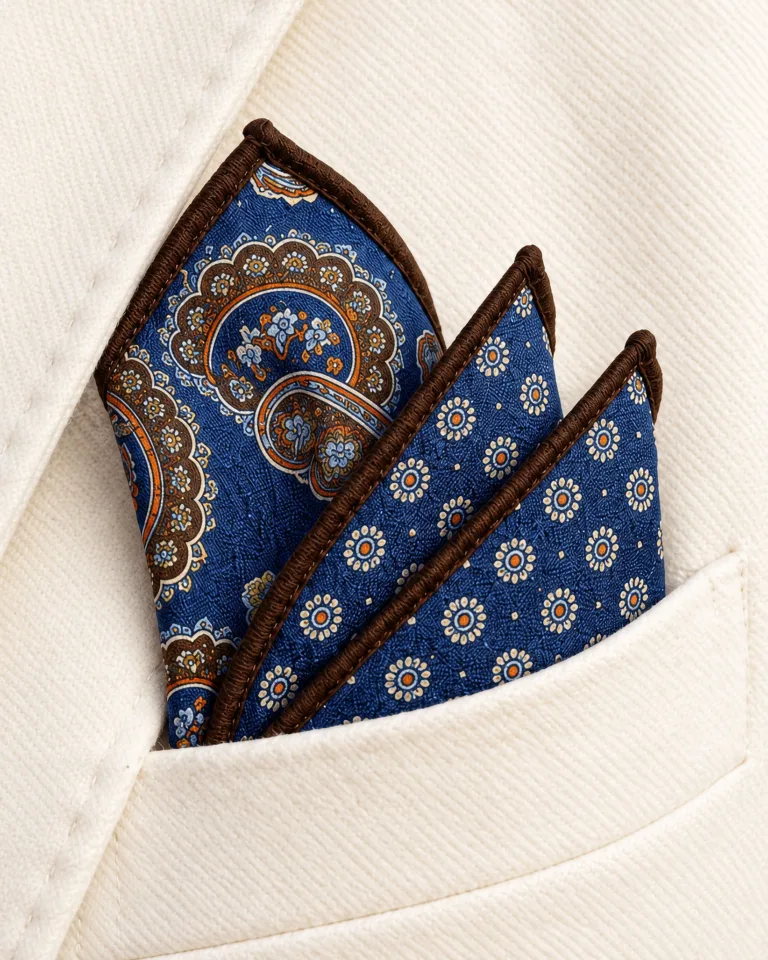
Imagination and freedom of expression give the look distinction, confidence and a character that cannot be repeated.

7.900 rsd VAT included

In stock - delivery in 1-3 working days

  • Premium packaging
  • Free delivery
  • Returns within 14 days
SKU
DE-1910
Product code
STS8, STS1, STS2
Composition
100% silk
Technique
Print
Colour
White

The products are made from natural materials and can be worn for a long time without frequent cleaning. Care is by professional dry cleaning only. Do not wash the products by hand or in a washing machine. Avoid direct contact with perfume and other chemical products.

A true corporate gift leaves a lasting impression and conveys the values of the company it represents. This piece is designed as a gift to be remembered, worn and kept.

It comes in exclusive packaging, with the option of personalising the product, branding the packaging, adding a dedication or a message card, and individual arrangements for larger quantities and delivery dates.

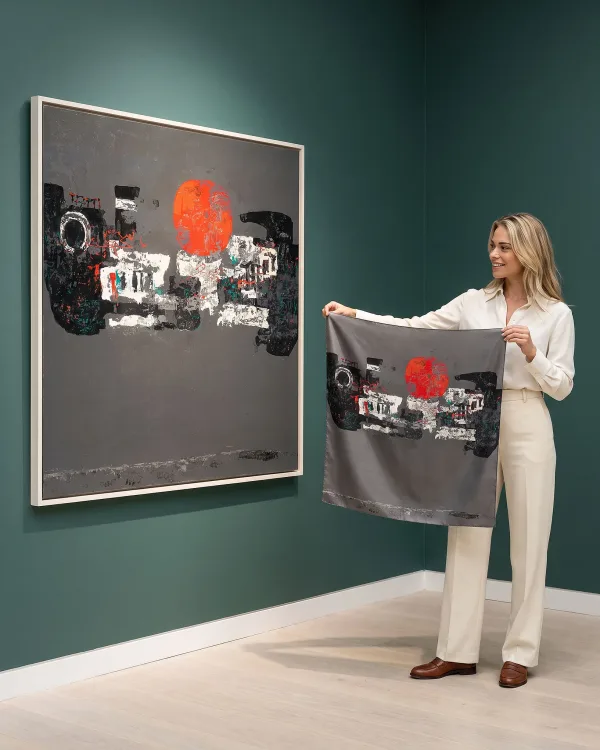
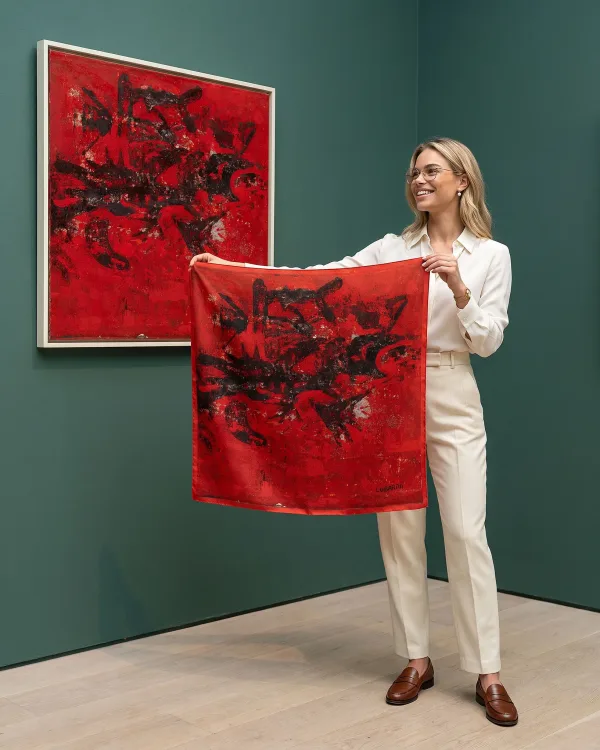
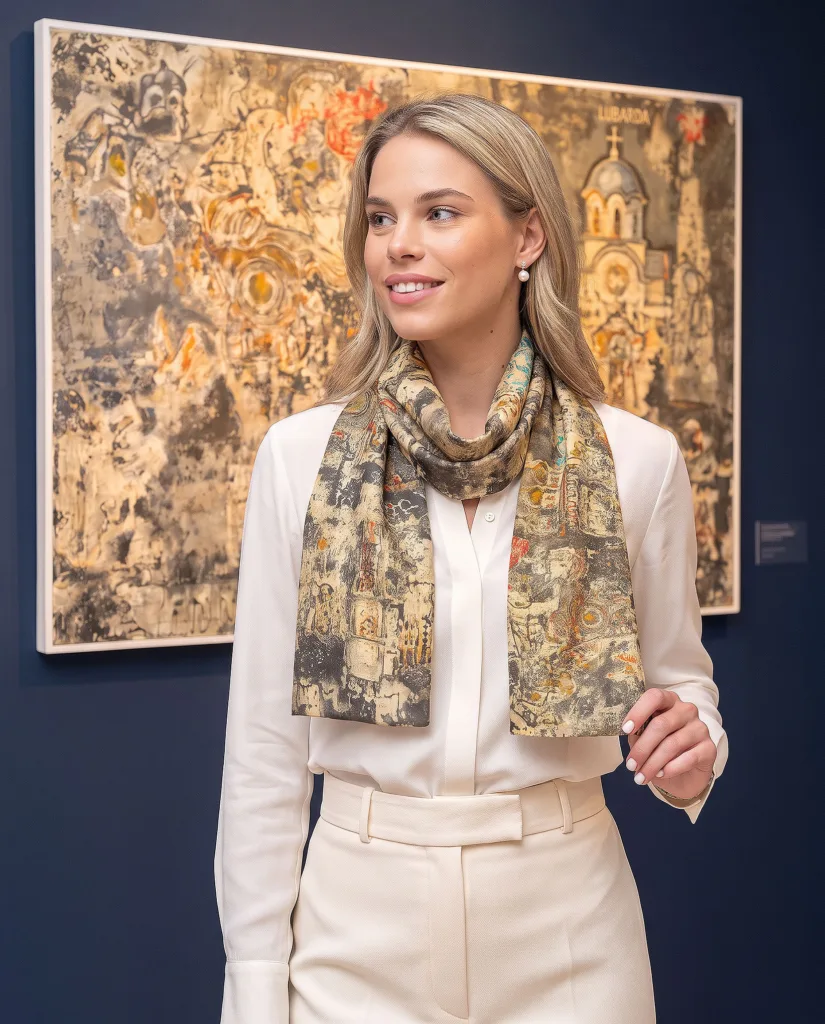
In 1969 Petar Lubarda travelled with his wife Vera to the Soviet Union, visiting Moscow and Leningrad. After returning, and as a result of his artistic impressions of the city, he created A Fairy Tale of the Moscow Kremlin. The work represents Lubarda's last creative phase. In it one can recognise the outlines of the church buildings inside the Kremlin, the prominent figure of Saint George on horseback slaying the dragon, and the city's recognisable landmark, the Saviour Tower with a red star on top. The final layers of the painting vary in impasto and in the emphasis of individual areas, through “lifting” the paint layer, the effect of splashing and dripping paint, and the application or imprinting of newspaper.

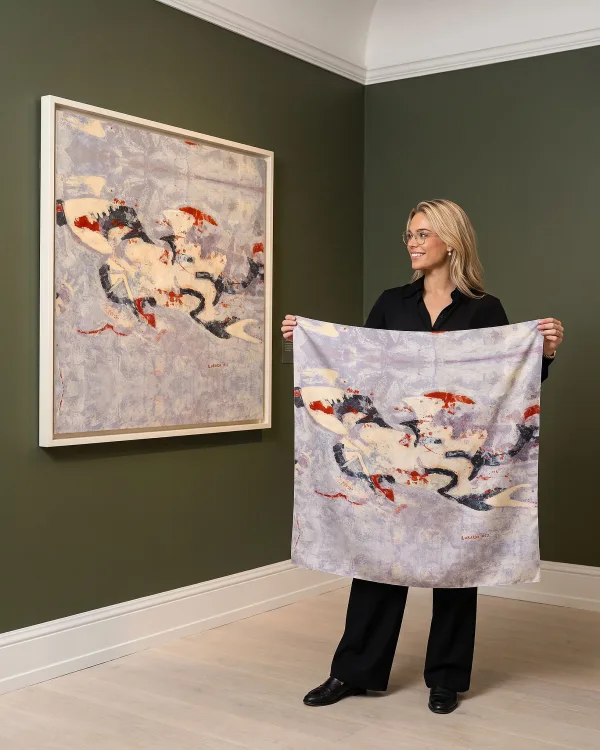
Bajka moskovskom kremlju

A Fairy Tale of the Moscow Kremlin

In 1969 Petar Lubarda travelled with his wife Vera to the Soviet Union, visiting Moscow and Leningrad. After returning, and as a result of his artistic impressions of the city, he created A Fairy Tale of the Moscow Kremlin. The work represents Lubarda's last creative phase. In it one can recognise the outlines of the church buildings inside the Kremlin, the prominent figure of Saint George on horseback slaying the dragon, and the city's recognisable landmark, the Saviour Tower with a red star on top. The final layers of the painting vary in impasto and in the emphasis of individual areas, through “lifting” the paint layer, the effect of splashing and dripping paint, and the application or imprinting of newspaper.