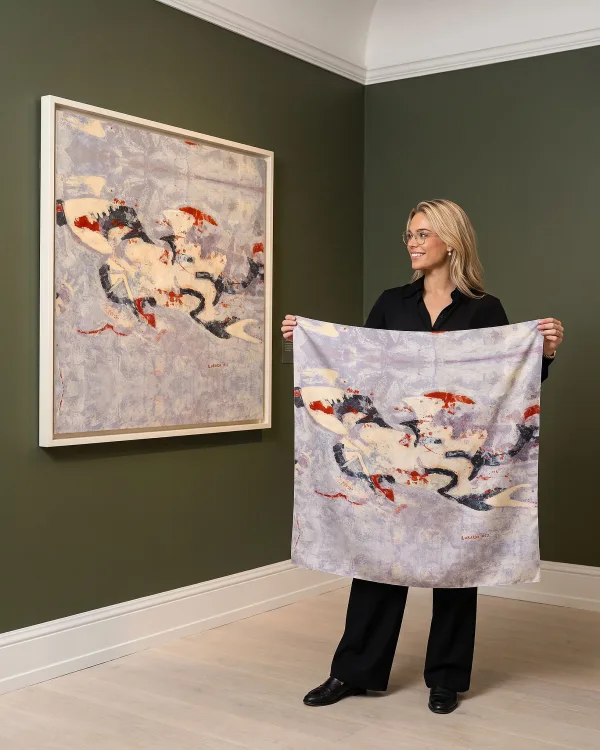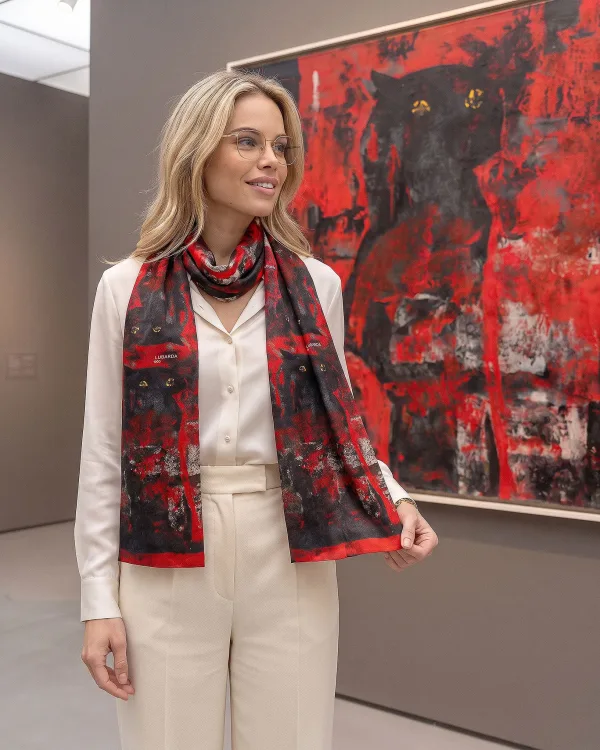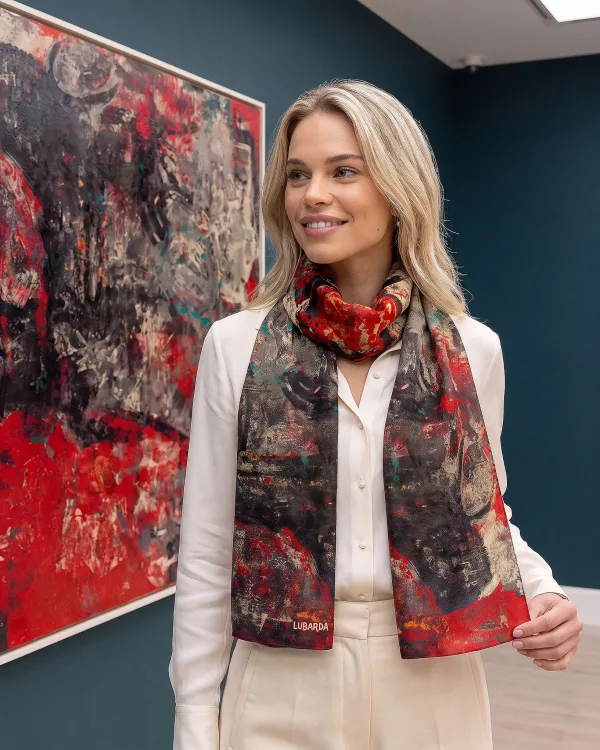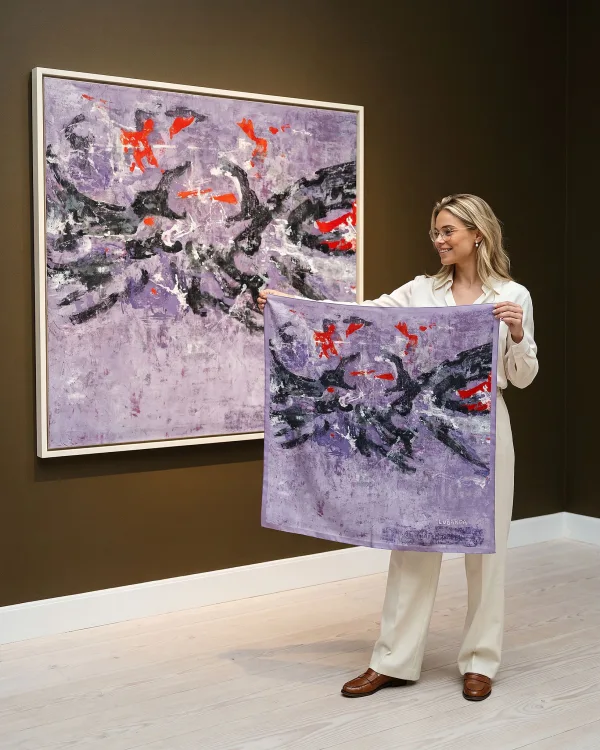




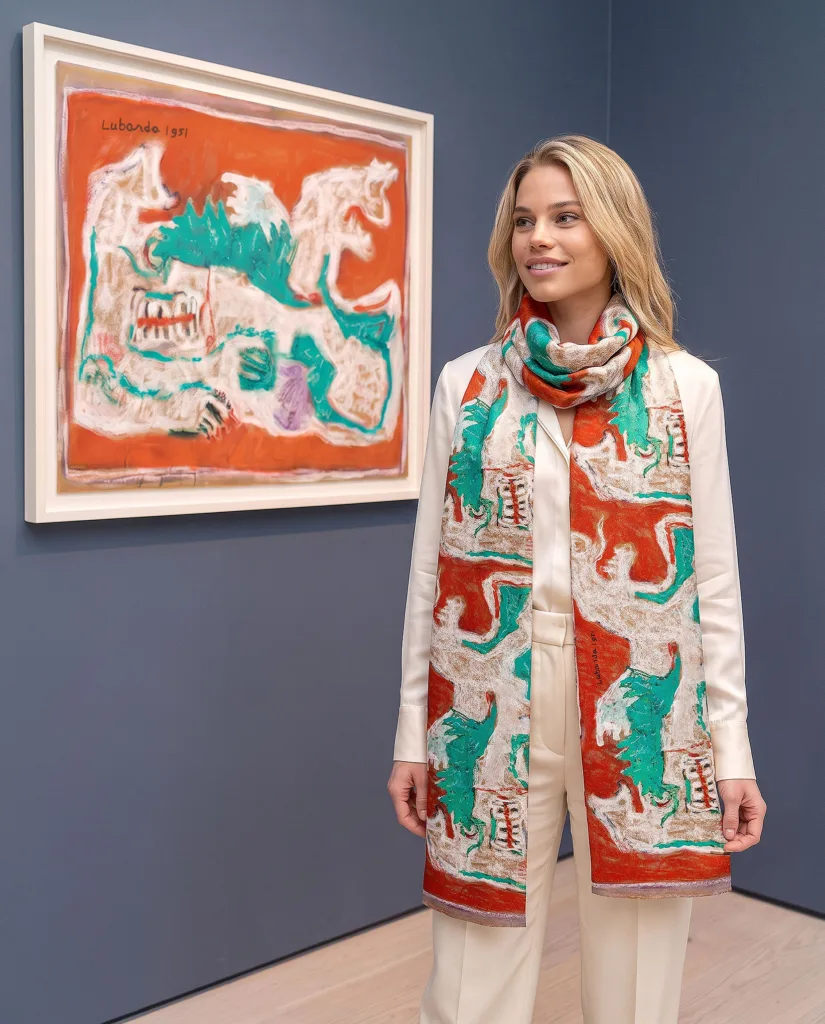
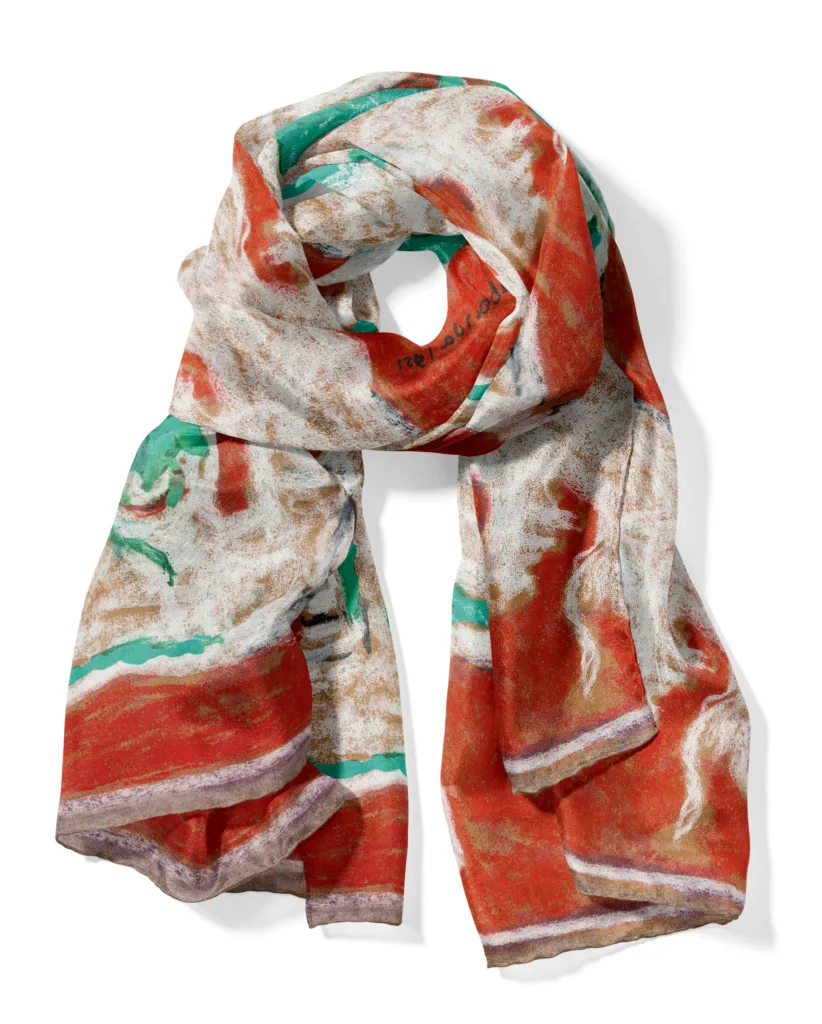
SLANDER

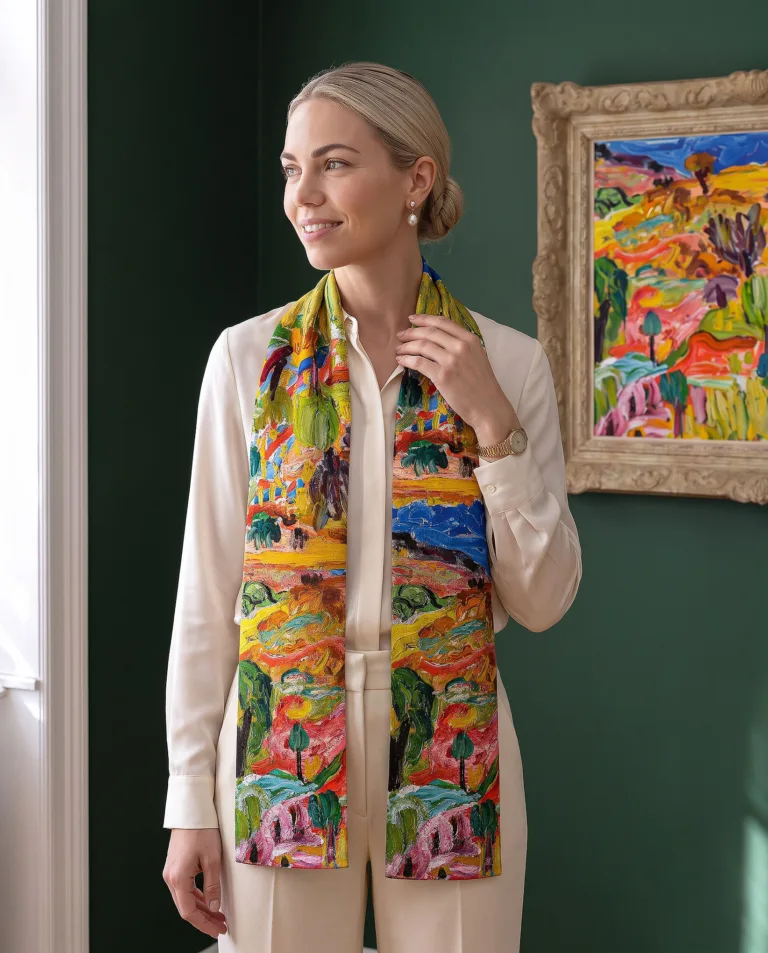
Independence, courage and loyalty to your own stance give the look character, assurance and a confidence that does not seek approval.

7.900 rsd VAT included

In stock - delivery in 1-3 working days

  • Premium packaging
  • Free delivery
  • Returns within 14 days
SKU
DE-2449
Product code
STS8, STS1, STS2
Composition
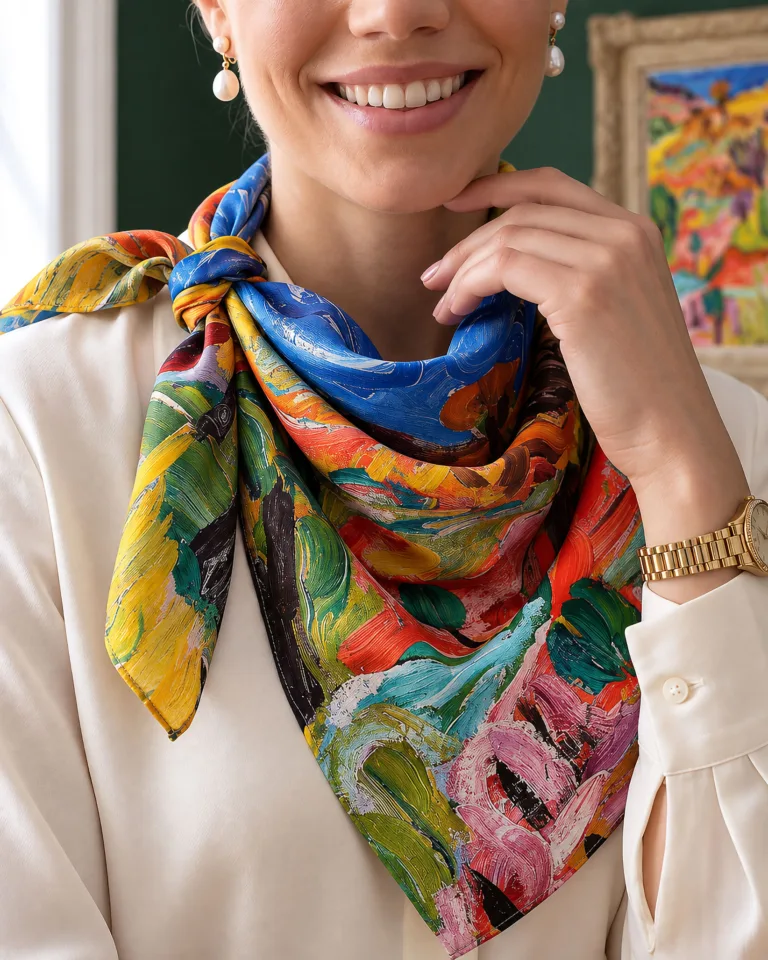
100% silk
Technique
Print
Colour
Orange

The products are made from natural materials and can be worn for a long time without frequent cleaning. Care is by professional dry cleaning only. Do not wash the products by hand or in a washing machine. Avoid direct contact with perfume and other chemical products.

A true corporate gift leaves a lasting impression and conveys the values of the company it represents. This piece is designed as a gift to be remembered, worn and kept.

It comes in exclusive packaging, with the option of personalising the product, branding the packaging, adding a dedication or a message card, and individual arrangements for larger quantities and delivery dates.

Petar Lubarda
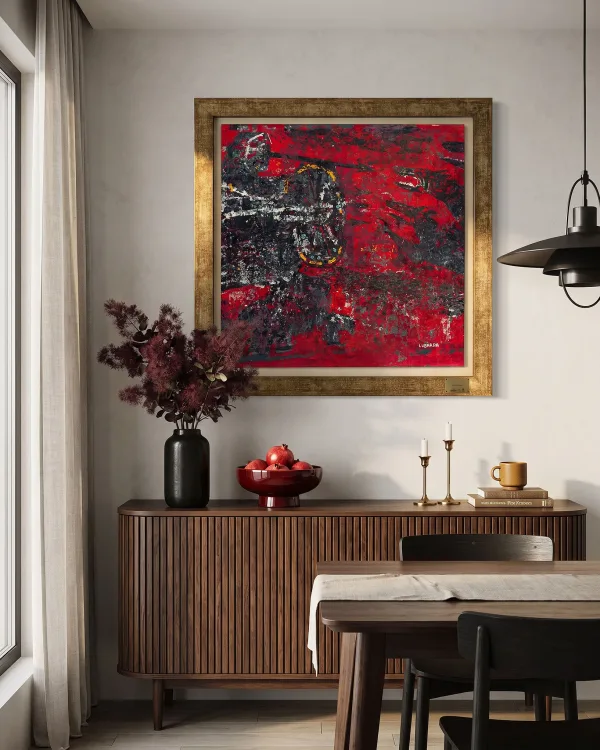
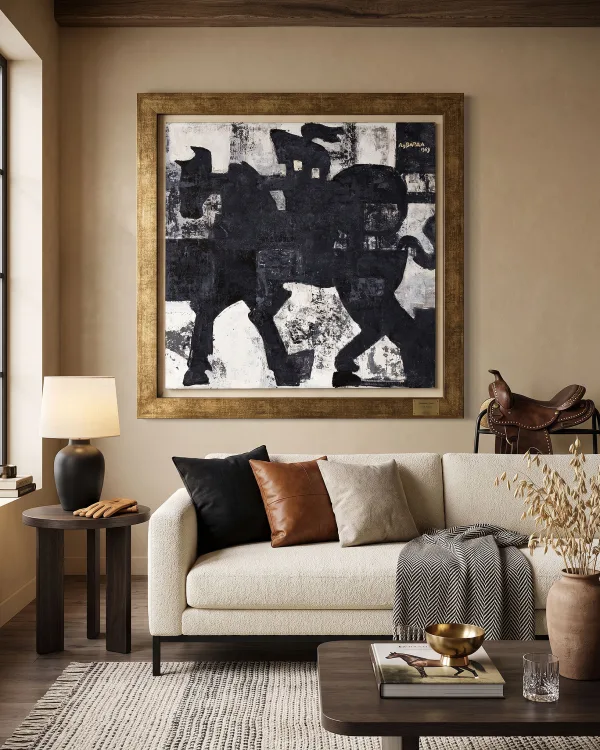
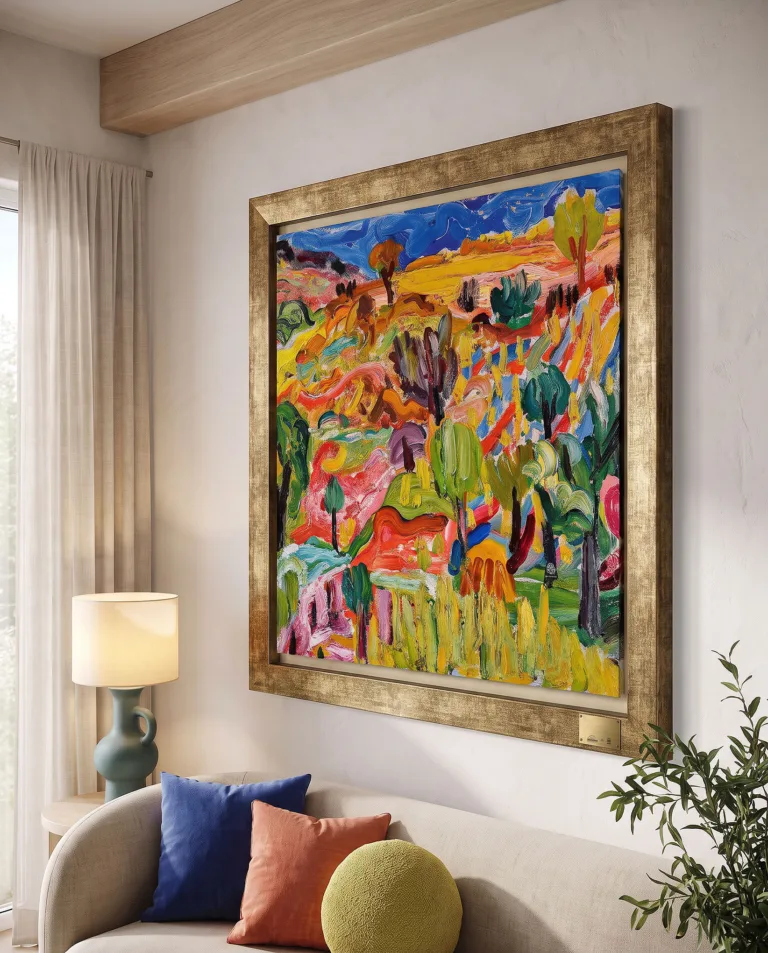
Today, critics and historians of Serbian and Yugoslav modern art regard Petar Lubarda's exhibition at the ULUS Gallery at 2 Terazije, held in May 1951, as one of the “turning points” and “breakthroughs”. In the gallery window stood a painting without a title, and in a statement to NIN Petar Lubarda said that in conversation with visitors he had looked for a name for it: “…some say it is slander, some that it is venom, some (intellectuals, I noticed) that it is socialism and the regressive forces gnawing at it from within. All these names and many others are essentially alike.” The painting was named Slander, and Lubarda was already clearly stating his views on the tasks of art: that it should not be servile, should not seek to please, should reflect reality, should lead as a symbol, and should be driven not by what is desirable but by the event itself, by life.
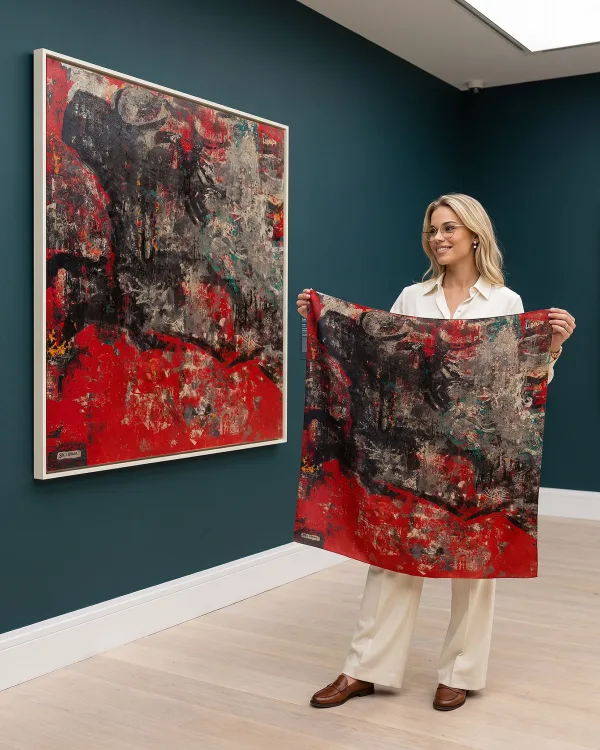
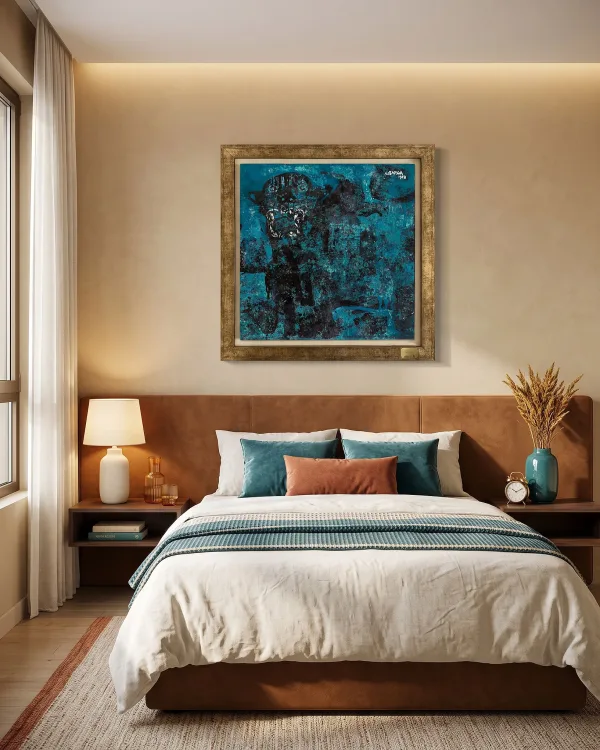
KLEVETA

SLANDER

Petar Lubarda
Today, critics and historians of Serbian and Yugoslav modern art regard Petar Lubarda's exhibition at the ULUS Gallery at 2 Terazije, held in May 1951, as one of the “turning points” and “breakthroughs”. In the gallery window stood a painting without a title, and in a statement to NIN Petar Lubarda said that in conversation with visitors he had looked for a name for it: “…some say it is slander, some that it is venom, some (intellectuals, I noticed) that it is socialism and the regressive forces gnawing at it from within. All these names and many others are essentially alike.” The painting was named Slander, and Lubarda was already clearly stating his views on the tasks of art: that it should not be servile, should not seek to please, should reflect reality, should lead as a symbol, and should be driven not by what is desirable but by the event itself, by life.